Home • Cacao • Specialty Cacao • What is Specialty Cacao?
WHAT IS
SPECIALTY CACAO?
WHAT IS
SPECIALTY CACAO?
CONTENTS
Specialty cacao is to be understood as a dual reality: both a category of cacao and an emerging sector within the cacao industry.
This article explores these two facets in parallel, as they are deeply interconnected.
WHAT THIS DESIGNATION REFERS TO?
When speaking about Specialty Cacao, it is important to clarify what this designation actually refers to. Much like with Specialty Coffee, the term does not point to a single reality.
In coffee, the term can refer to a cup brewed from high-quality beans, to the beans themselves, or more broadly to an entire sector of the coffee industry that has organized itself around quality, transparency, shared language, and collective structures.
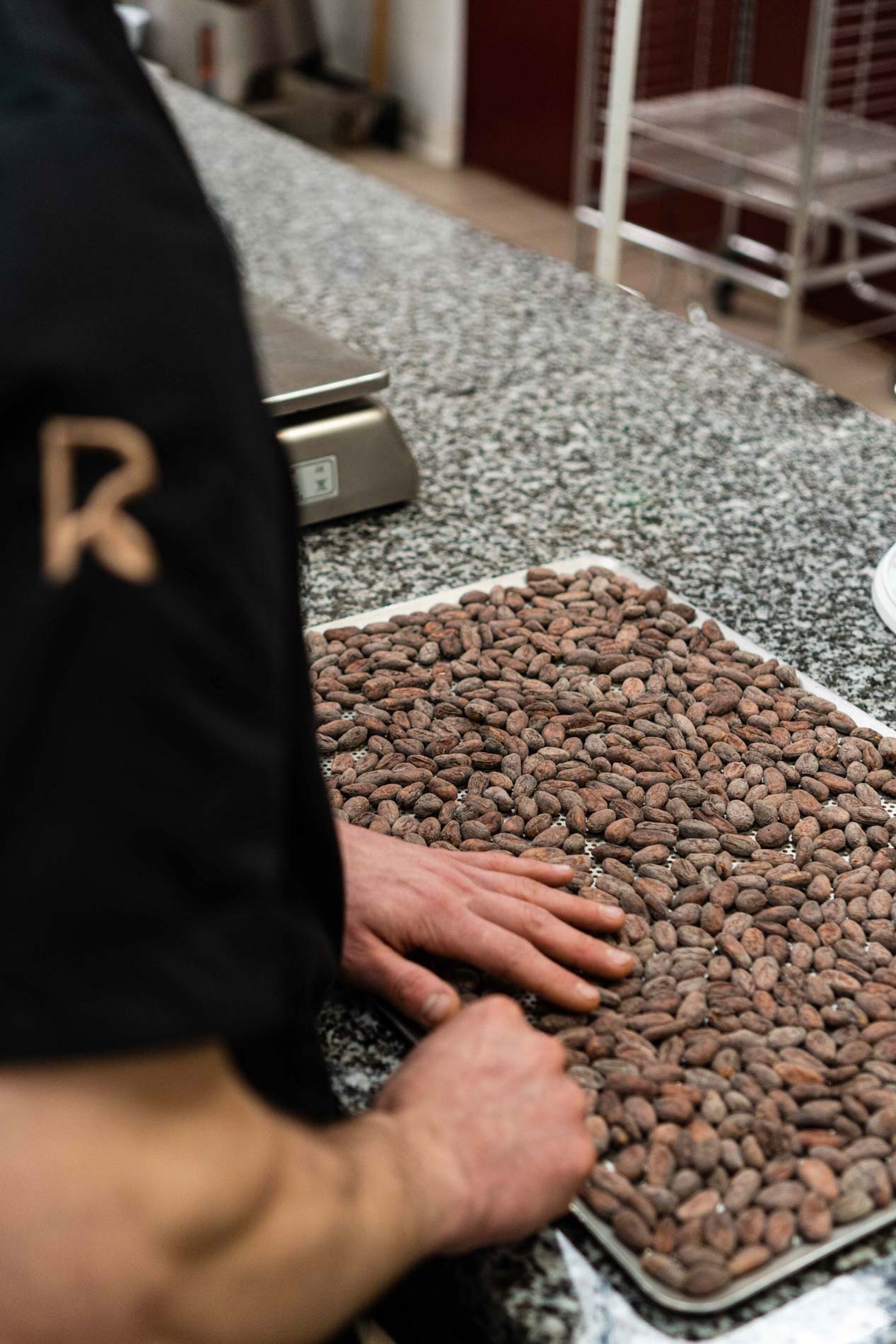
Specialty Cacao operates on the same logic. It designates both a product, cacao beans that meet elevated sensory, ethical, and traceability criteria, and a sector within the cacao industry, shaped by the actors who choose to align around these values.
1. HIGH-GRADE CACAO BEANS
THE ROLE OF GENETICS & TERROIR
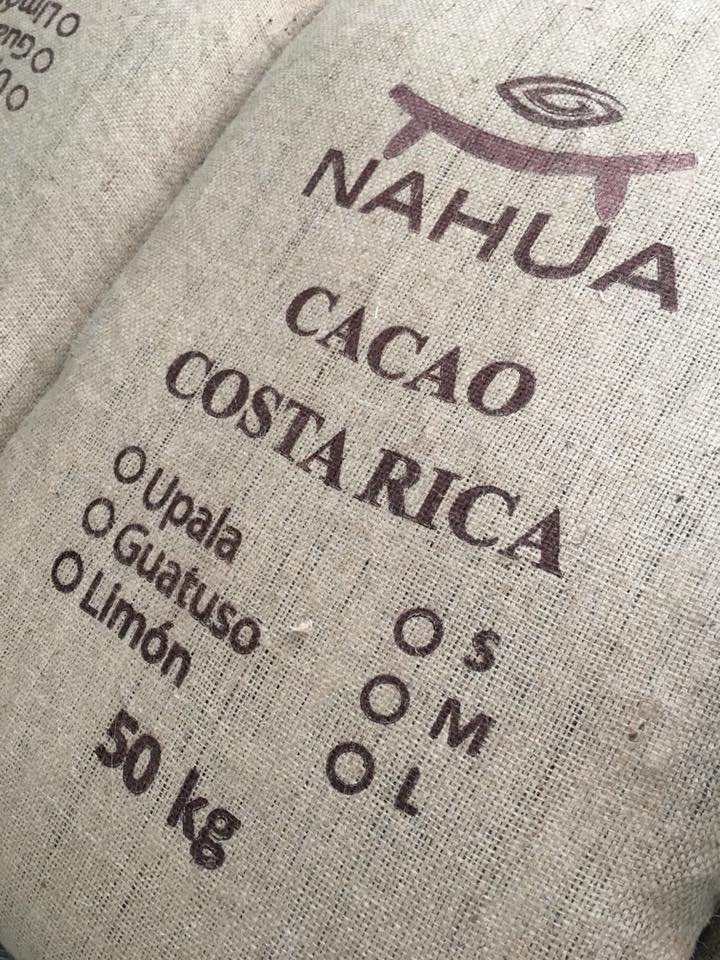
Cacao is rich with genetic diversity. While traditional classifications like Criollo, Trinitario, and Forastero are still used, modern genetic analysis has revealed at least 10 major genetic clusters.1 This diversity translates into a wide array of flavor profiles and bioactive profiles.
Much like grape or coffee, cacao is heavily influenced by its terroir. The combination of environmental factors, including soil composition, climate, and altitude, plays a crucial role in shaping the flavor profile of the beans. These unique environmental contexts, coupled with specific farming practices, contribute to the development of distinct taste characteristics that set specialty cacao apart from its mass-produced counterparts.
METICULOUS HARVEST & POST-HARVEST PRACTICES
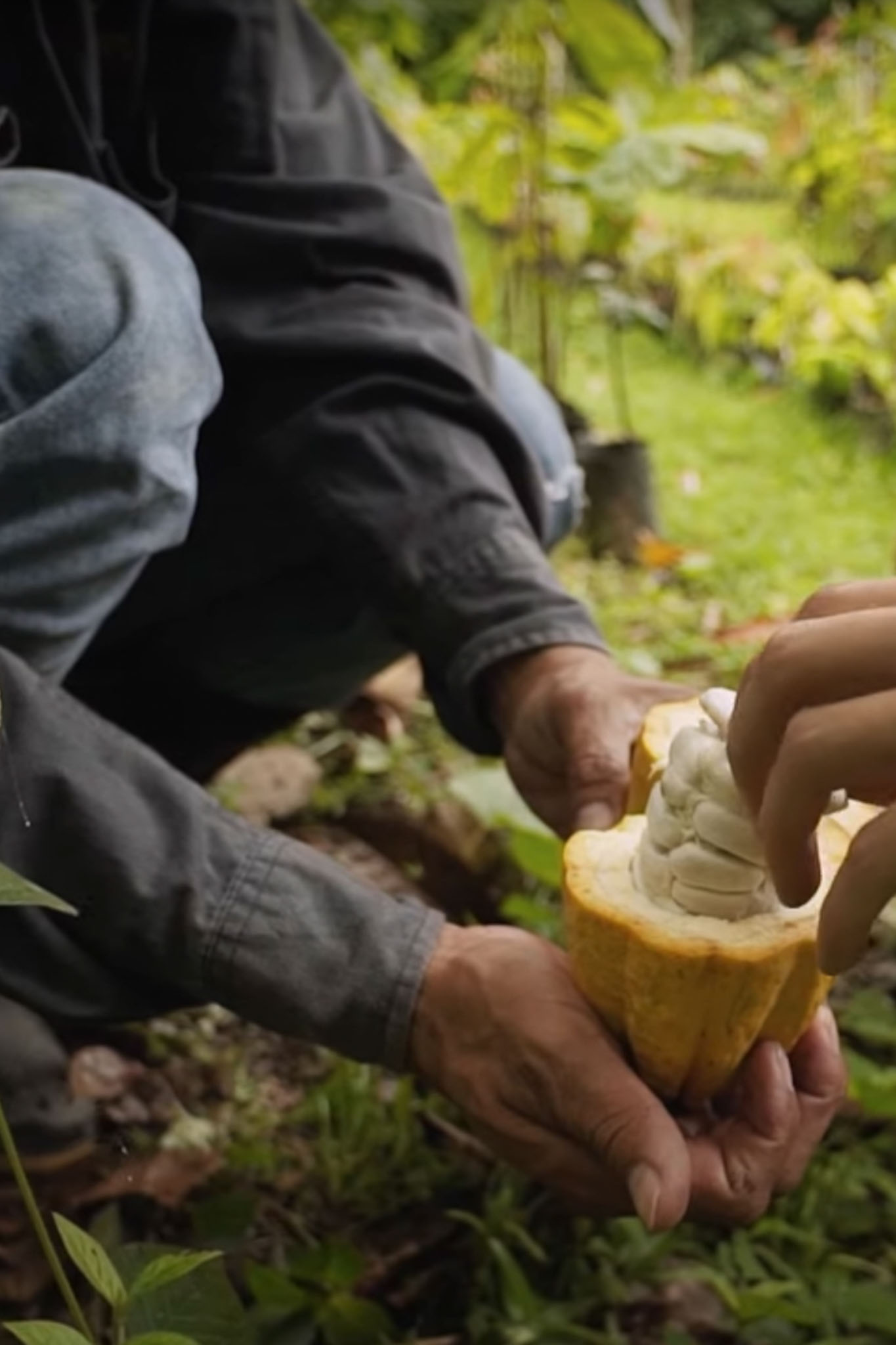
The journey from bean to end-product is a delicate process that requires expertise and precision. Harvesting underripe or overripe pods would result in a loss of overall quality. Patience and care prevail to pick only pods that have reached proper maturation.
This stands in contrast to standard industry practices, which mostly favor cost-effective harvesting with a broad tolerance for ripeness — relying on blending and processing later to mask off-notes.
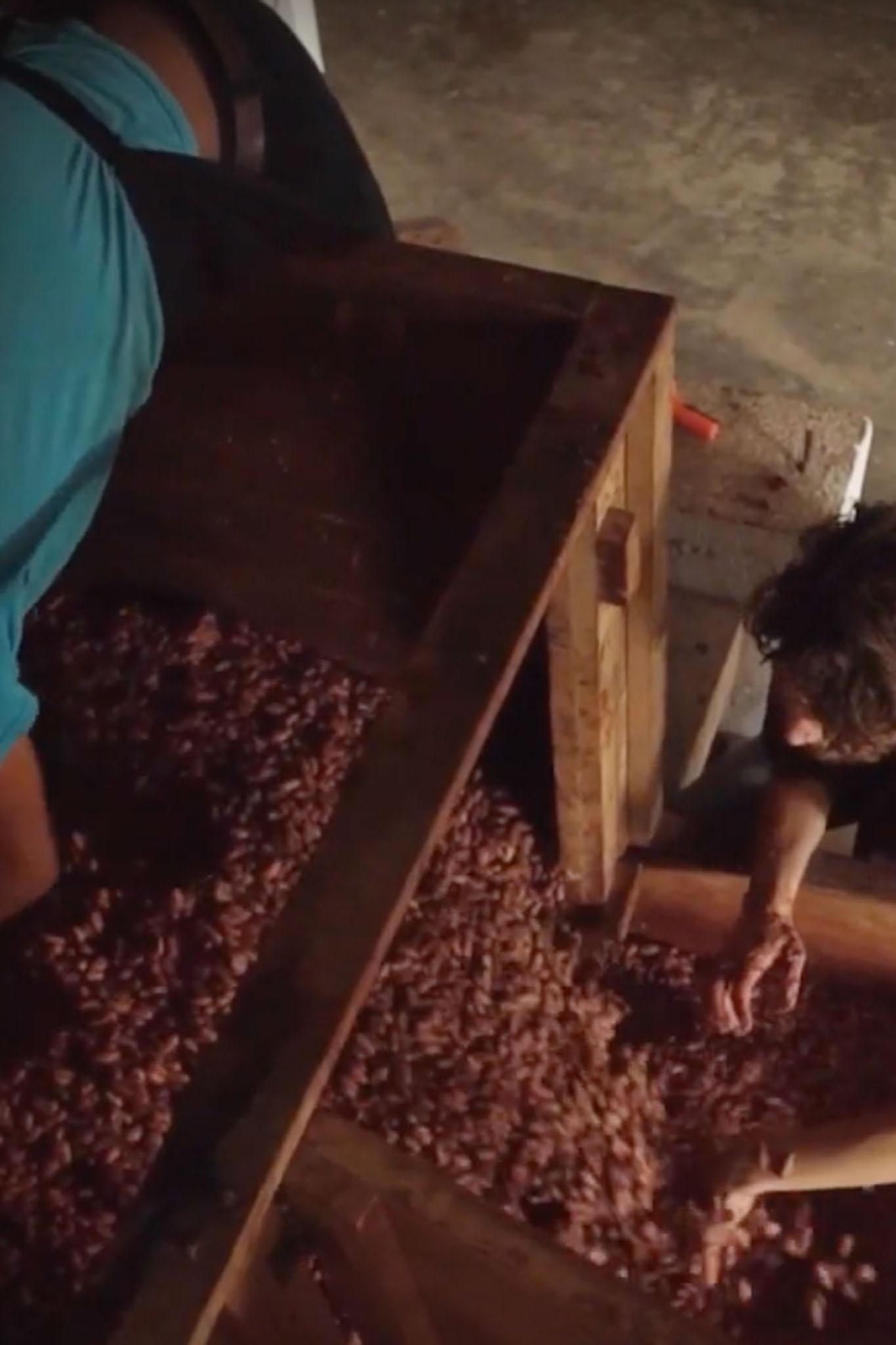
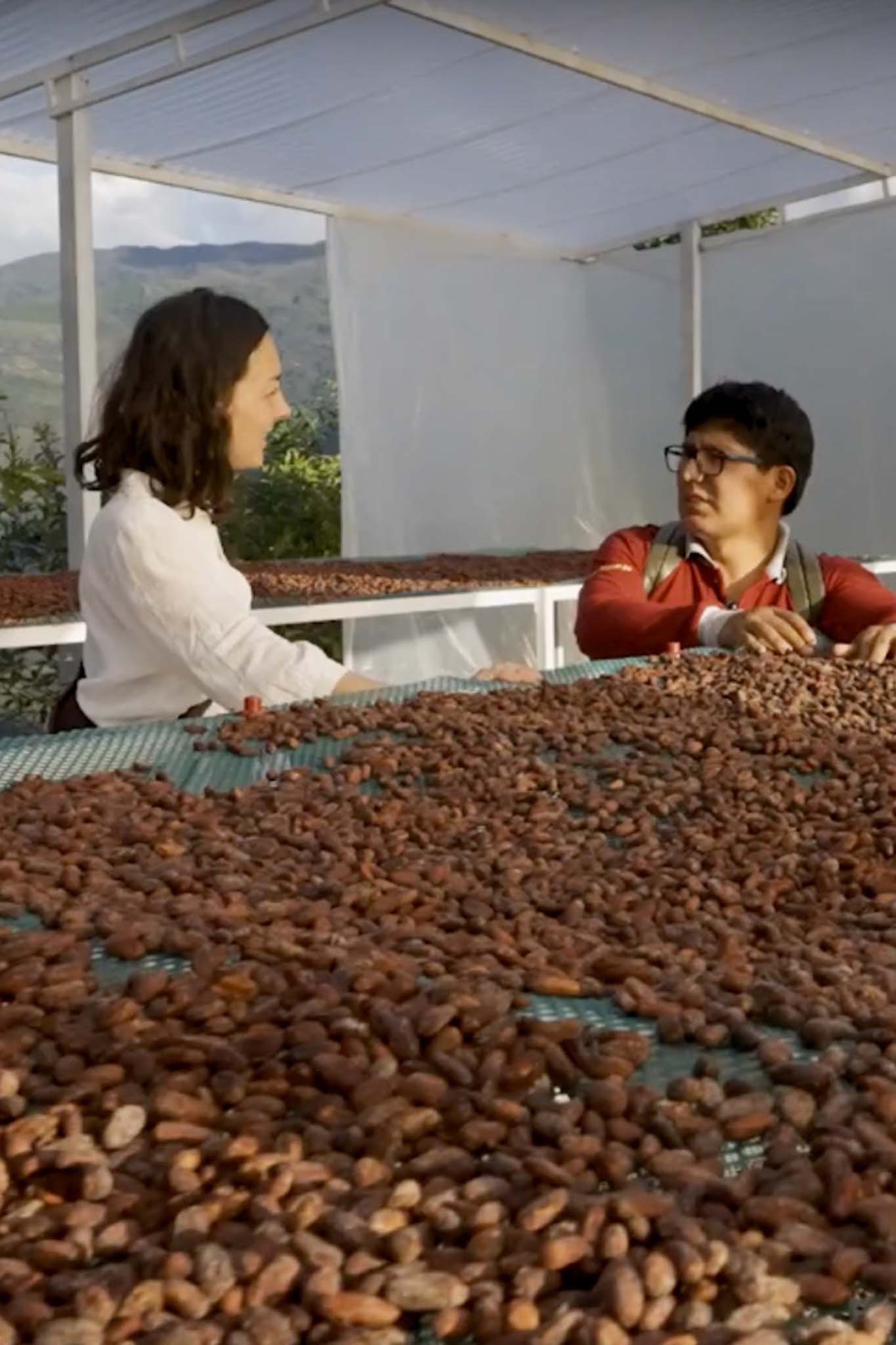
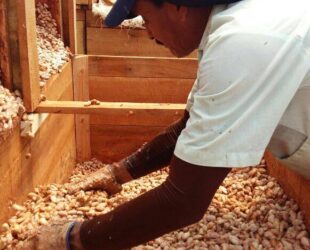
Fermentation, a critical step in cacao processing, involves complex chemical reactions that develop the beans’ flavor precursors. Skilled producers carefully control temperature, humidity, and duration to achieve optimal results. Following fermentation, proper drying and storage are essential to preserve the beans’ quality, active compounds and unique flavor characteristics.
SUSTAINABILITY & ETHICS
Specialty cacao is synonymous with sustainability and ethical sourcing. While mass-market cacao has long been criticized for issues related to deforestation, child labor, and unfair wages for farmers, the specialty cacao niche seeks to flip the script. Many producers adhere to direct trade models, which cut out middlemen and ensure that farmers are paid a premium price for their beans.
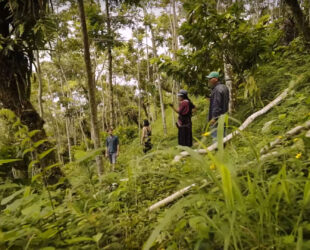
Moreover, specialty cacao farming often involves agroforestry systems, which integrate cacao with other crops and trees, promoting biodiversity. This method is in stark contrast to the monoculture plantations that dominate the bulk cacao industry which, among other things, lead to soil degradation and loss of biodiversity.
2. A SECTOR OF THE CACAO INDUSTRY
SOURCES
REFERENCES
- Motamayor, Juan C., Philippe Lachenaud, James W. da Silva e Mota, Rey Loor, Doreen N. Kuhn, et al. 2008. “Geographic and Genetic Population Differentiation of the Amazonian Chocolate Tree (Theobroma cacao L.).” PLoS ONE 3 (10): e3311. https://doi.org/10.1371/journal.pone.0003311.
BACKGROUND MATERIAL
- Specialty Coffee Association – What is Specialty Coffee? — https://sca.coffee/research/what-is-specialty-coffee