THE SEVEN PILLARS OF BEAN-TO-BAR

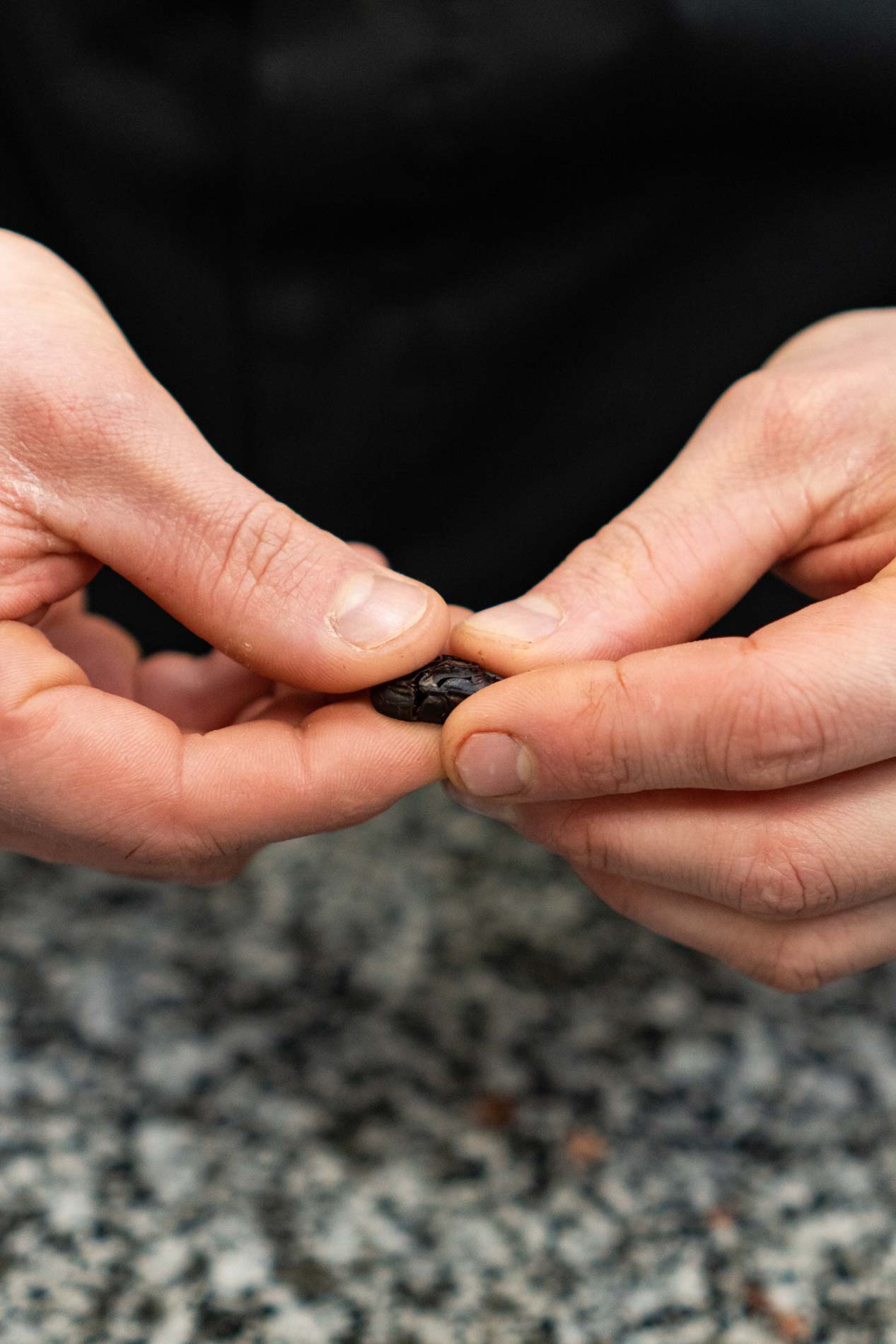
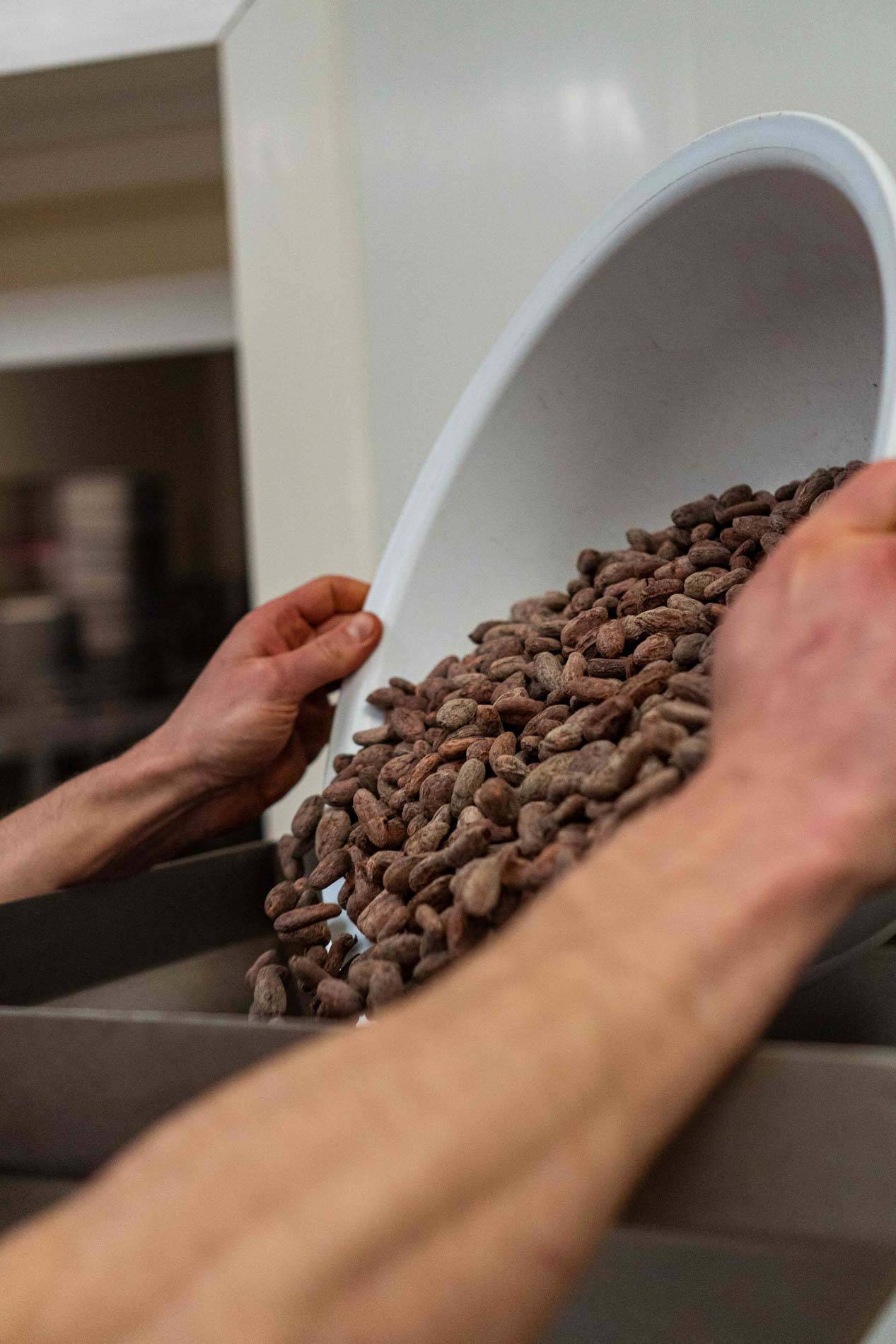
This article covers the philosophy behind the Bean-to-Bar movement. Discover the entire Bean-to-Bar making process through the eyes of craft chocolate maker Mathieu Robin¹.

The bean-to-bar philosophy is grounded in a series of core principles that emphasize quality, transparency, sustainability, and ethical practices. These guidelines are designed to ensure that the process of crafting chocolate remains true to the values of authenticity, craftsmanship, and respect for both people and the environment. Below are the seven pillars that underpin the bean-to-bar movement, each developed to highlight its significance and impact.

1. Direct Sourcing and Ethical Relationships

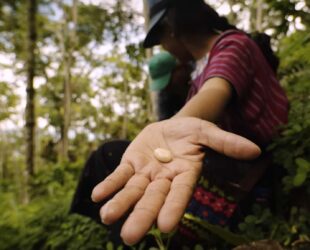
At the heart of the bean-to-bar philosophy is the commitment to sourcing cacao beans directly from farmers or cooperatives. This practice not only ensures that chocolate makers have access to high-quality beans, but it also fosters ethical relationships.
 
By cutting out layers of intermediaries, and working either directly with the farms or through one specialized sourcing company, direct trade allows farmers to receive fair compensation for their work, which often results in better wages and improved living conditions. Furthermore, this approach encourages long-term partnerships based on trust and transparency.


2. Focus on Quality and Craftsmanship

Unlike mass-produced chocolate, where uniformity and cost-efficiency are the main objectives, bean-to-bar makers prioritize the unique aromas of each batch. Quality over quantity prevails.


This begins with the careful selection of cacao beans, which are chosen for their distinct characteristics depending on their origin. Many makers, cooperatives and sourcing companies are involved in elevating farming practices, especially in improving post-harvest processes such as fermentation and drying. By making the most out of those crucial steps, farmers are able to raise the beans’ added-value as well as the overall quality of the final product.


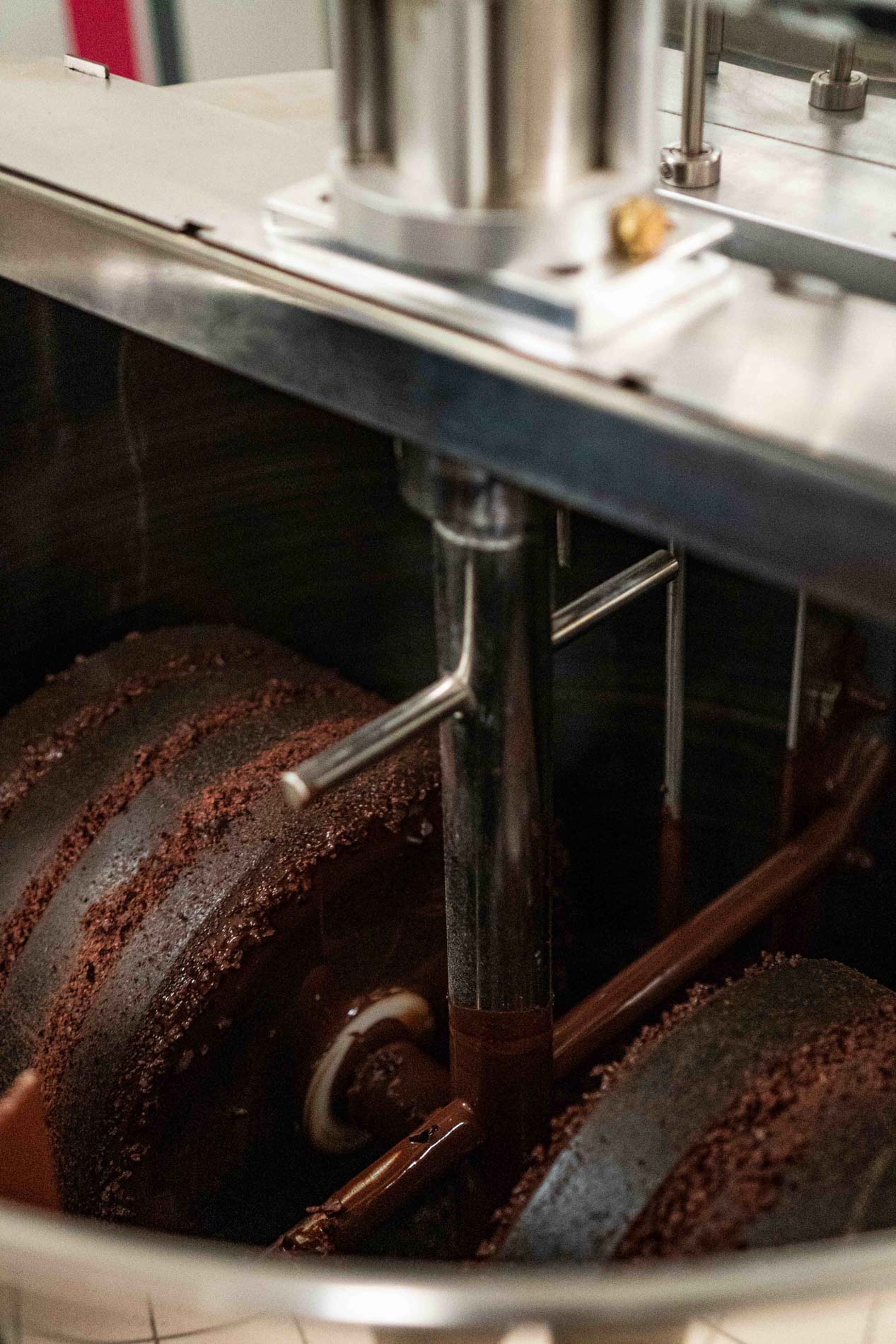
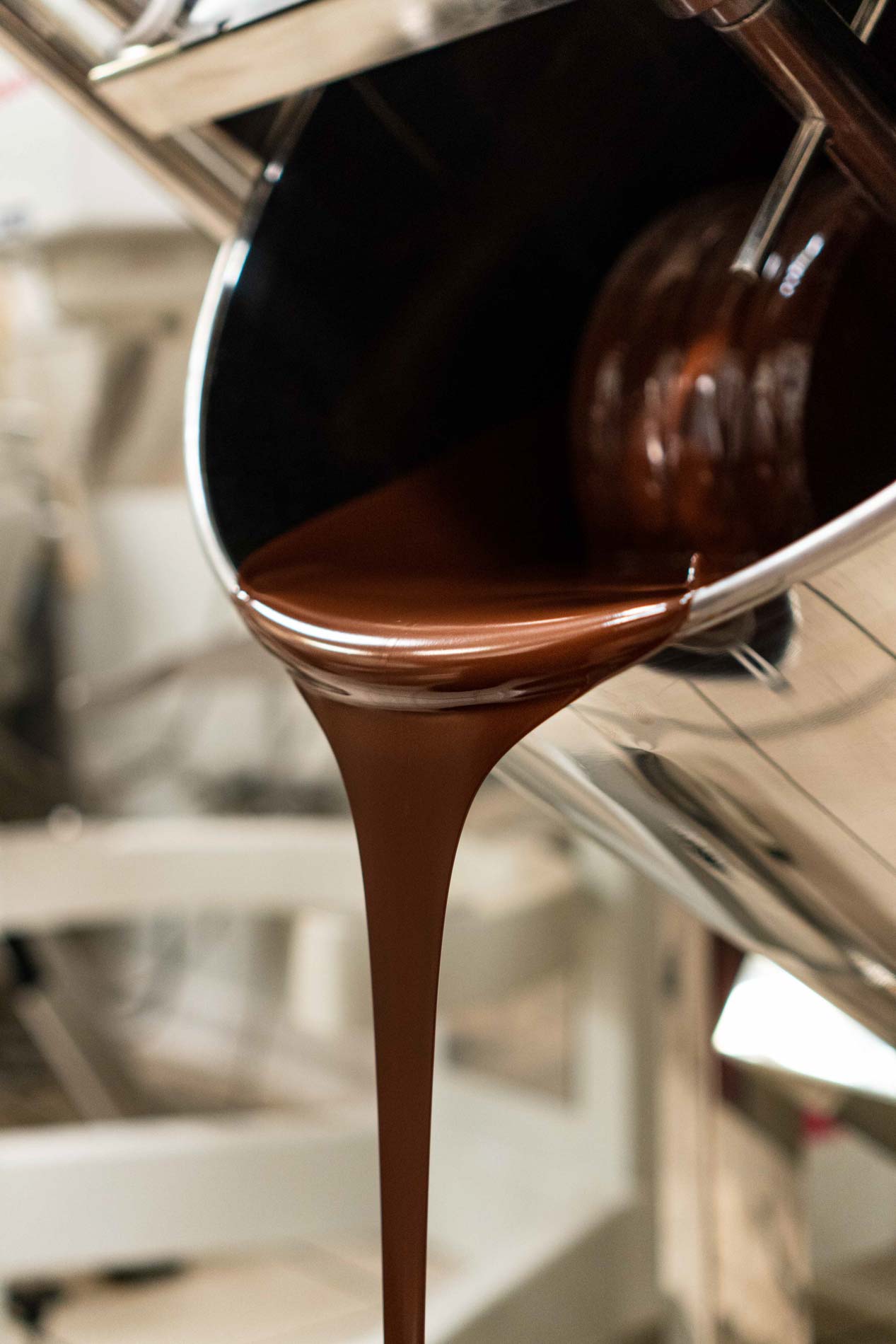
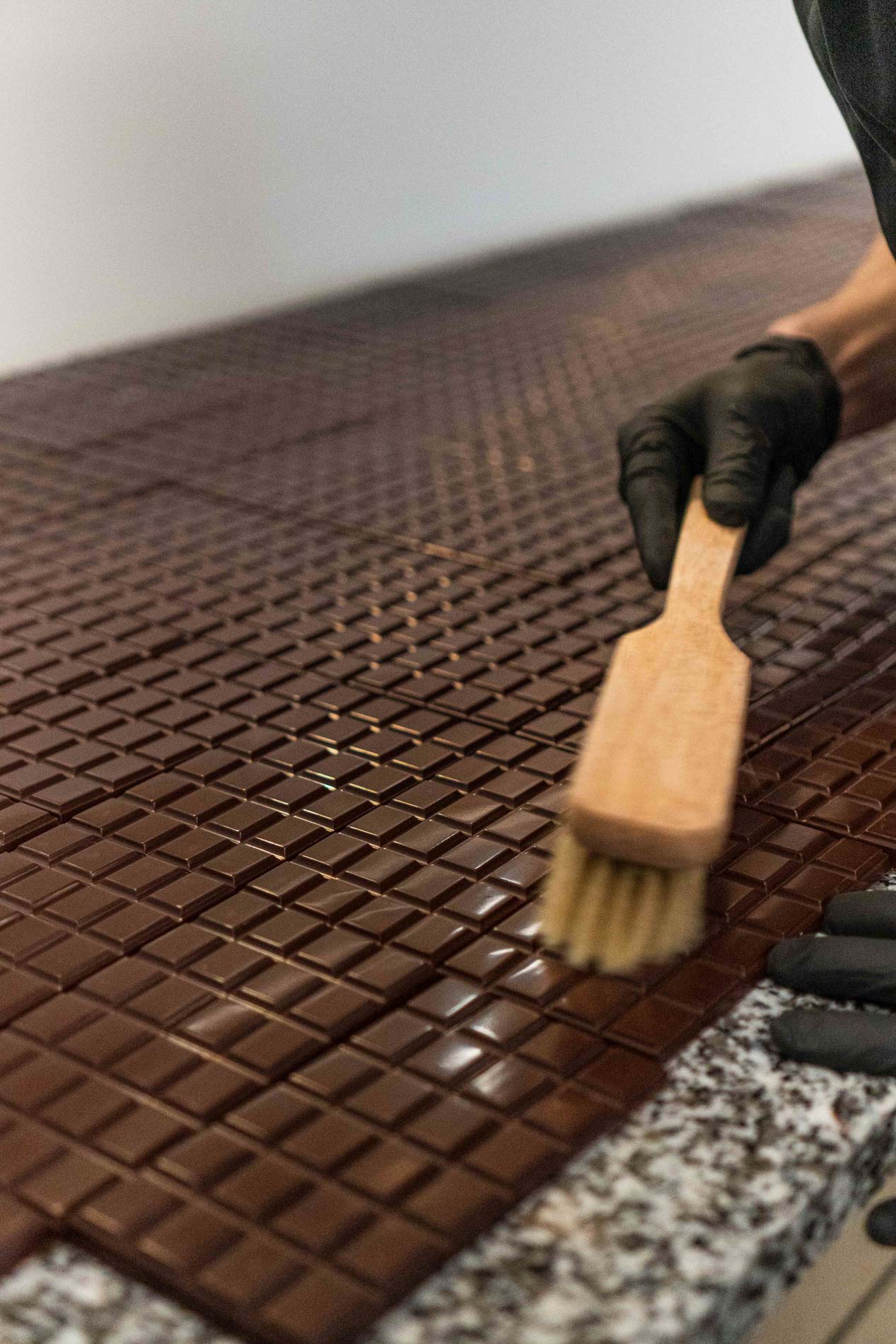
The craftsmanship in bean-to-bar chocolate extends through every stage of production, from roasting the beans to tempering the bars. Makers experiment with different roasting times and temperatures, grind the beans to achieve perfect texture, and refine the chocolate through conching to enhance its flavor and smoothness. Every decision is made with the goal of creating a product that honors the complexity and richness of cacao.

3. Traceability and Transparency

Consumers who choose bean-to-bar chocolate are not only seeking a high-quality product, but they also want to know the story behind it—where the beans came from, how they were processed, and who was involved in their journey from farm to bar.


Bean-to-bar makers openly share details about the origin of their cacao, the farming practices used, and their production methods, allowing consumers to make informed choices.

This transparency also extends to ingredient lists (see #6).

4. Respect for Terroir and Origin

The bean-to-bar philosophy celebrates the idea that cacao, like wine or coffee, has terroir—a French term used to describe how the environment in which a crop is grown influences its flavor. Factors like soil composition, climate, and altitude all play a role in shaping the characteristics of cacao beans.


Bean-to-bar makers highlight these unique qualities by crafting single-origin—sometimes even single-farm—chocolates, allowing consumers to experience the diverse flavor profiles of cacao from different regions around the world.


By respecting the terroir, bean-to-bar makers are able to bring out the best in each batch of beans—whether it’s the fruity, floral notes coming from Madagascar’s Sambirano Valley, or the deeper red fruit and chocolatey flavors coming from Hacienda La Carrera in El Salvador. This focus on origin not only provides a richer tasting experience but also honors the diversity of cacao and the cultural heritage of the regions where it’s grown.

5. Sustainability and Environmental Stewardship

Sustainability is central to the bean-to-bar movement, with a focus on minimizing the environmental impact of chocolate production. Many bean-to-bar makers prioritize working with farmers who use organic or agroforestry methods, which help maintain biodiversity and protect ecosystems.


Cacao farming, when done sustainably, can contribute to the preservation of forests and wildlife by promoting shade-grown practices that support the surrounding environment. A radically opposite view than the one fostered by the industry where deforestation and sun-exposed plantations prevail.

6. Minimal and Natural Ingredients

Most craft chocolate makers choose to use only natural, high-quality components. The emphasis is on letting the cacao shine without the need for unnecessary additives. Typically, a plain bean-to-bar chocolate bar will include just two or three ingredients: cacao beans, sugar, and sometimes cacao butter.


By avoiding preservatives, emulsifiers, and artificial flavorings, bean-to-bar makers create a product that reflects the purity and authenticity of the cacao itself. This minimalist approach not only enhances the chocolate’s flavor but also ensures that consumers are enjoying a product free from synthetic or low-quality ingredients.

7. Commitment to Education and Consumer Awareness

The bean-to-bar movement is not just about making great chocolate; it’s also about educating consumers on cacao’s journey, the people who grow it, and the intricate process of chocolate making. Many bean-to-bar makers actively engage in consumer education through tastings, workshops, and transparent storytelling. This helps raise awareness about the importance of sustainable farming, fair trade practices, and the rich history behind chocolate.


Through education, consumers are empowered to make more informed decisions and to appreciate chocolate as an artisanal product rather than a mass-produced commodity. This awareness fosters a deeper connection between consumers and the chocolate they consume, elevating the entire experience.

SOURCES

REFERENCES

  1. Mathieu Robin, Craft Chocolate Maker at Hervé Robin

YOU MAY

ALSO LIKE