WHAT IS

FINE CHOCOLATE?

WHAT IS

FINE CHOCOLATE?

CONTENTS

INTRODUCTION

This article covers technical aspects of the product of craft chocolate making. For more information about the philosophy behind it, check out Bean-to-Bar philosophy.

Fine chocolate goes beyond the typical confection; it’s a focus on craftsmanship, quality, and origin. It’s made from specialty cacao, the world’s finest cacao beans, selected with care and transformed through a careful process that brings out the unique flavors of each batch. Most of the time, it follows the Bean to Bar guidelines.


But what exactly sets fine chocolate apart from ordinary chocolate? Let’s look at the key factors that define this special treat.

BEAN ORIGIN

The heart of fine chocolate

Terroir, genetics & post-harvest practices

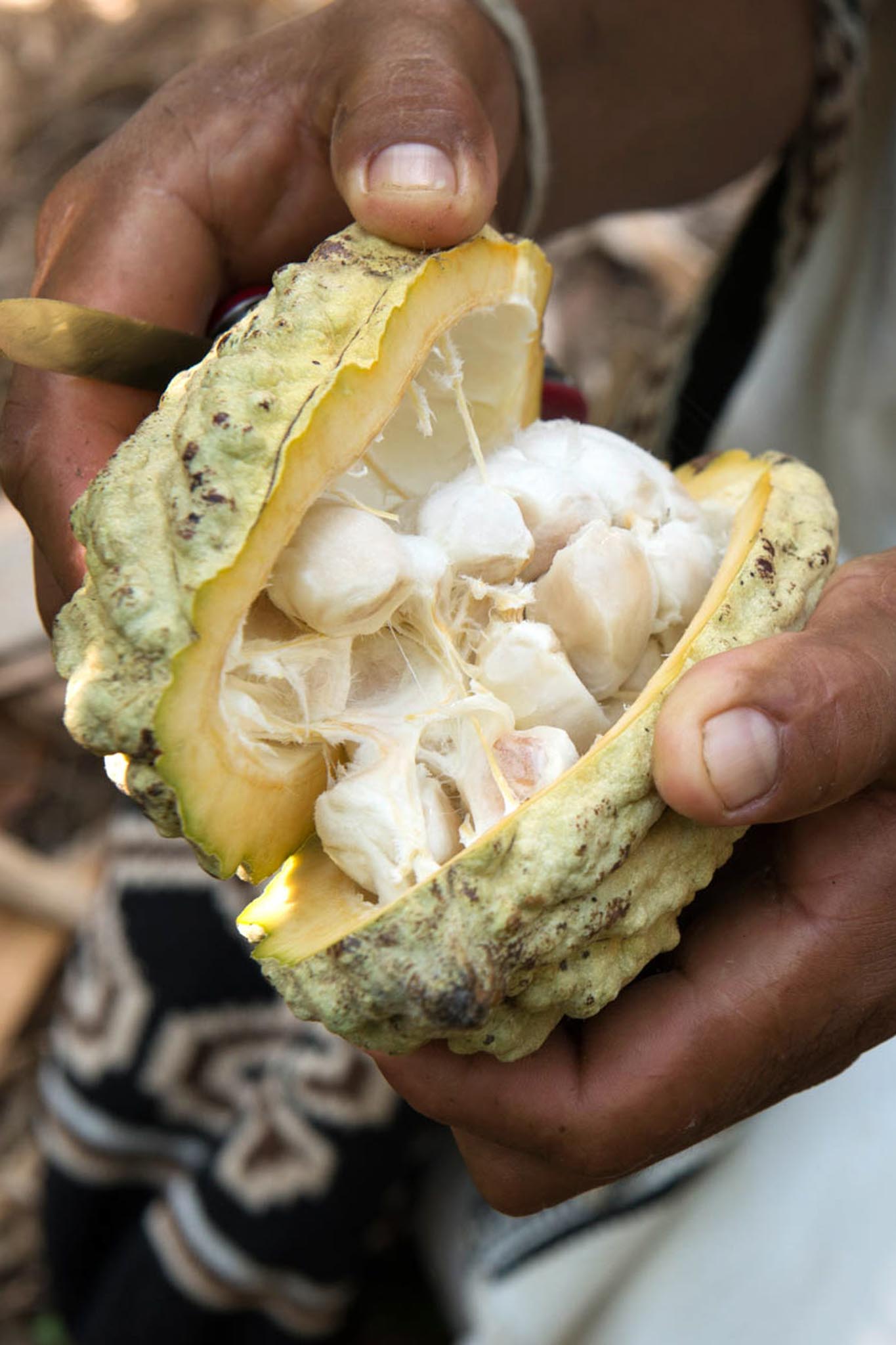
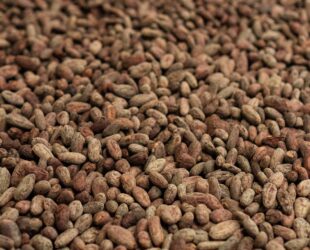
At the core of every fine chocolate bar is the cacao bean, and its origin plays a vital role in defining its flavor. Fine chocolate often highlights terroir—the environmental factors that influence the bean’s characteristics—just like fine wine or specialty coffee.


Cacao grown in different regions, from the lush rainforests of Ecuador to the sun-drenched plantations of Madagascar, takes on distinct qualities. For example, beans from Cusco, Peru, might offer fruity, floral notes, while cacao from Bahia, Brazil, may have deeper, earthier aromas.


But terroir alone doesn’t tell the whole story. The genetics of the cacao variety are just as important, shaping the potential for flavor complexity and aroma. Some heirloom or native varieties are prized for their rare and delicate profiles, while hybrid types may offer entirely different tasting notes.


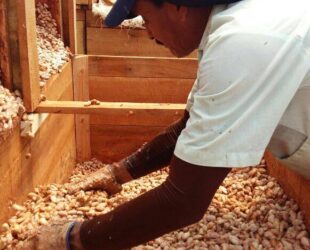
Equally important are the post-harvest processes—fermentation and drying—which unlock and refine the bean’s natural flavors. Careful fermentation brings out balanced acidity and sweetness, while proper drying preserves those flavors and prevents off-notes.


The specific region where the cacao is cultivated infuses the end product with its own story, but it’s the harmony of genetics, terroir, and careful post-harvest handling that truly lets fine chocolate express the full potential of the bean.


Craft chocolate makers source what’s called specialty cacao—beans from renowned cacao-growing areas—often working closely with sourcing specialists or directly with farmers to ensure that every step, from tree to drying bed, meets the highest standards.


CRAFTSMANSHIP

The Art and Science of Chocolate Making

Roasting, winnowing, grinding & conching

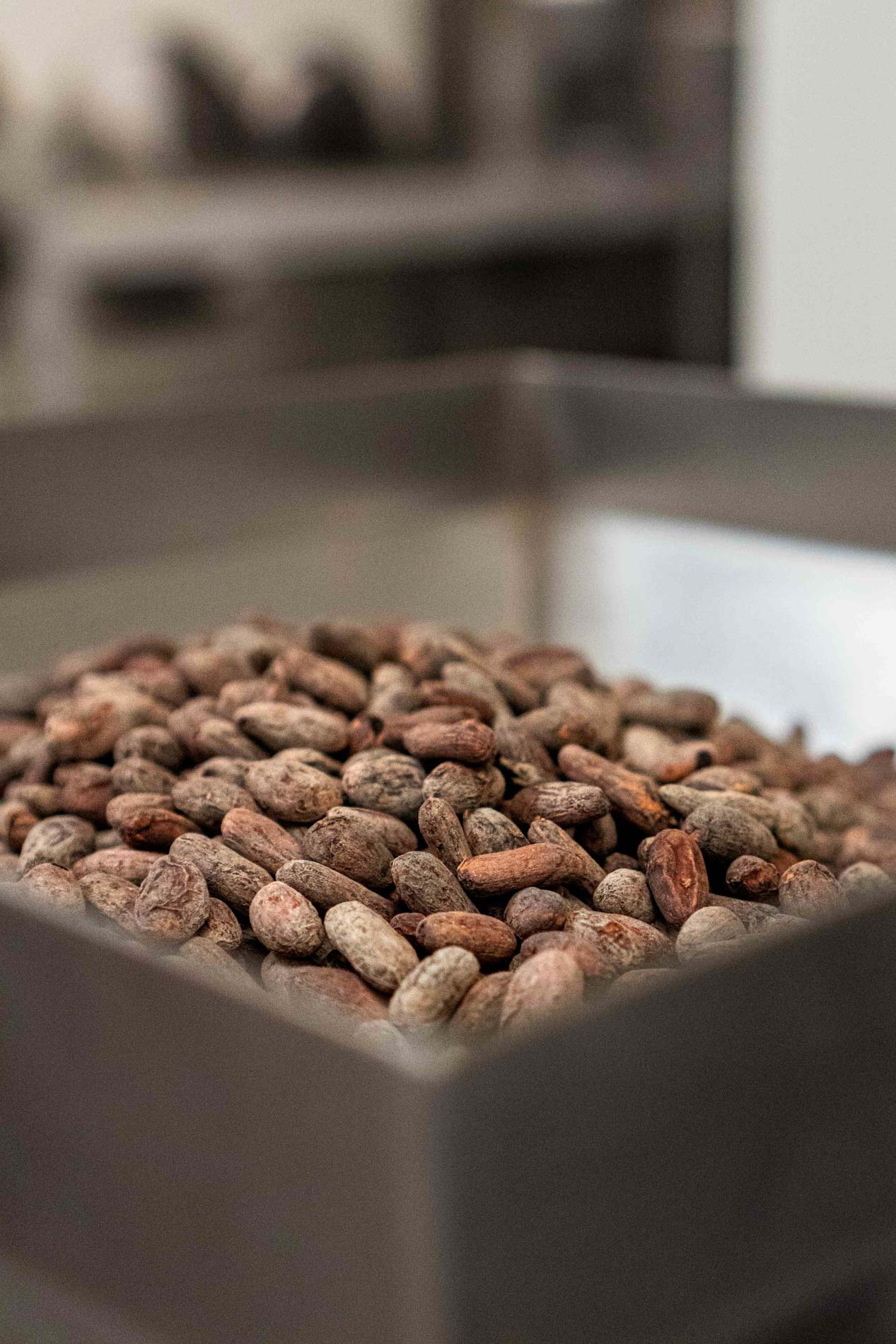
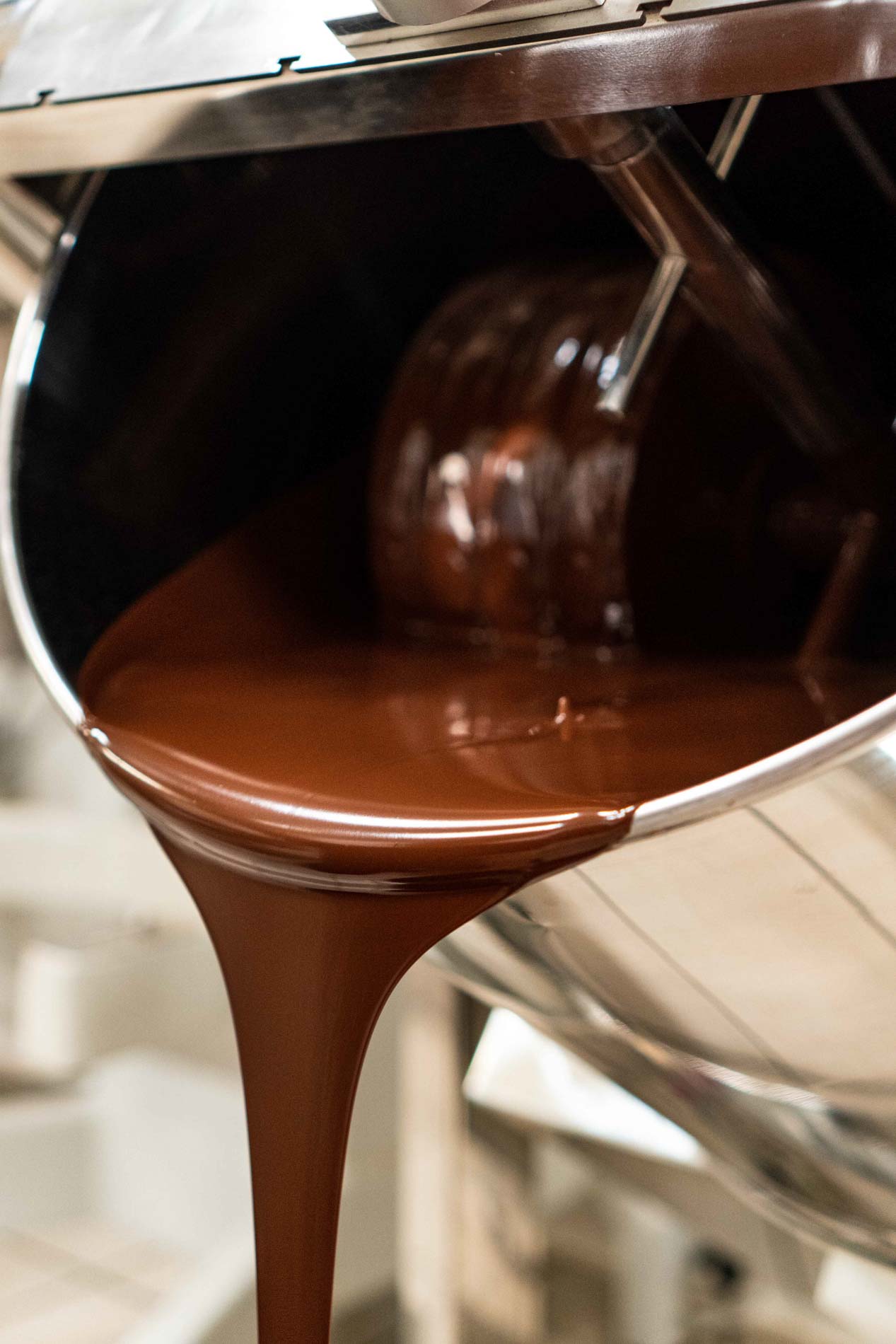
Making fine chocolate is a careful mix of skill and science. It starts with roasting, where makers bring out the cacao beans’ natural flavors. Too little heat, and the chocolate will lack depth; too much, and the flavors can be destroyed. After roasting comes winnowing, which removes the husk from the beans, leaving only the nibs. These nibs are then ground to turn them into a smooth paste.


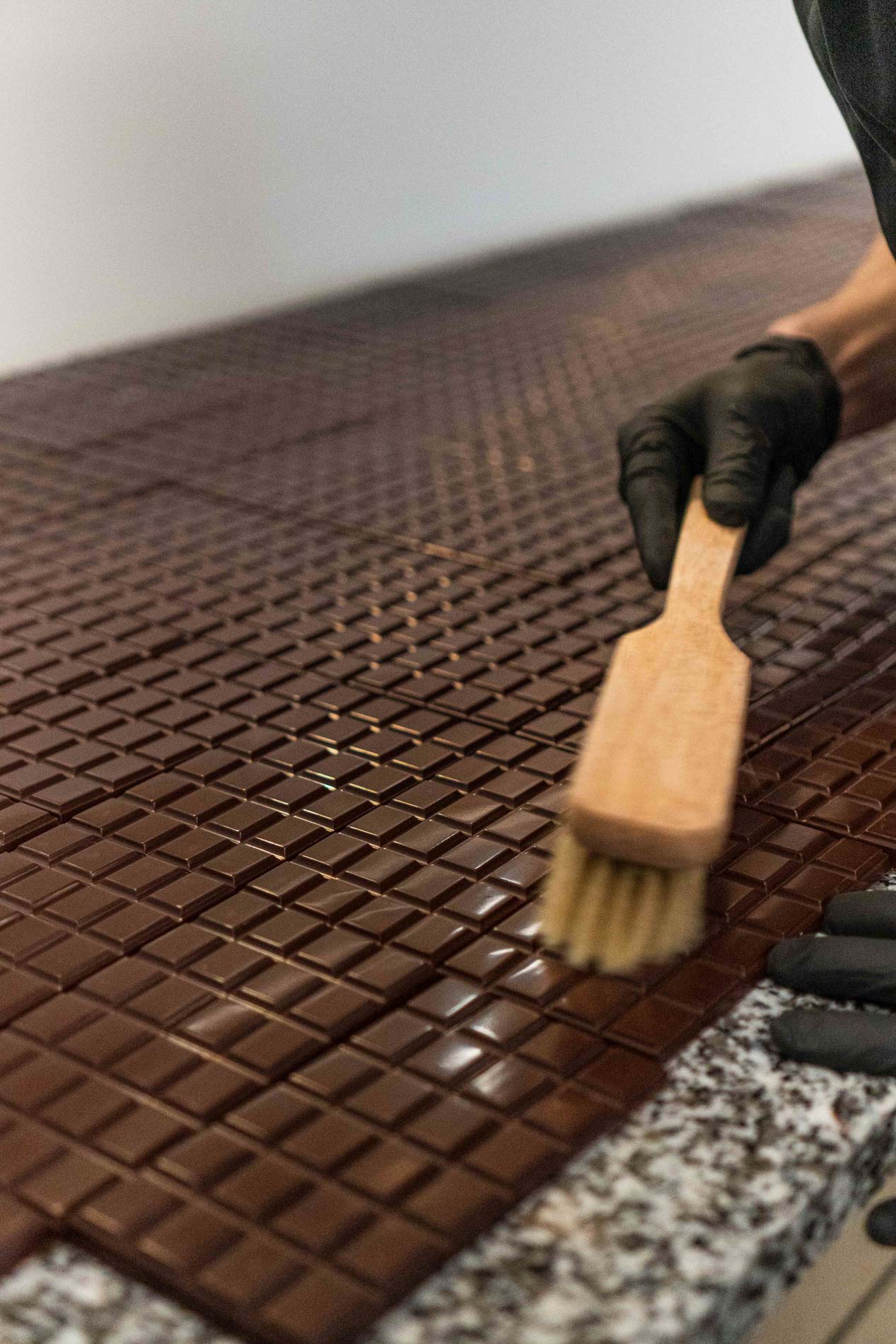
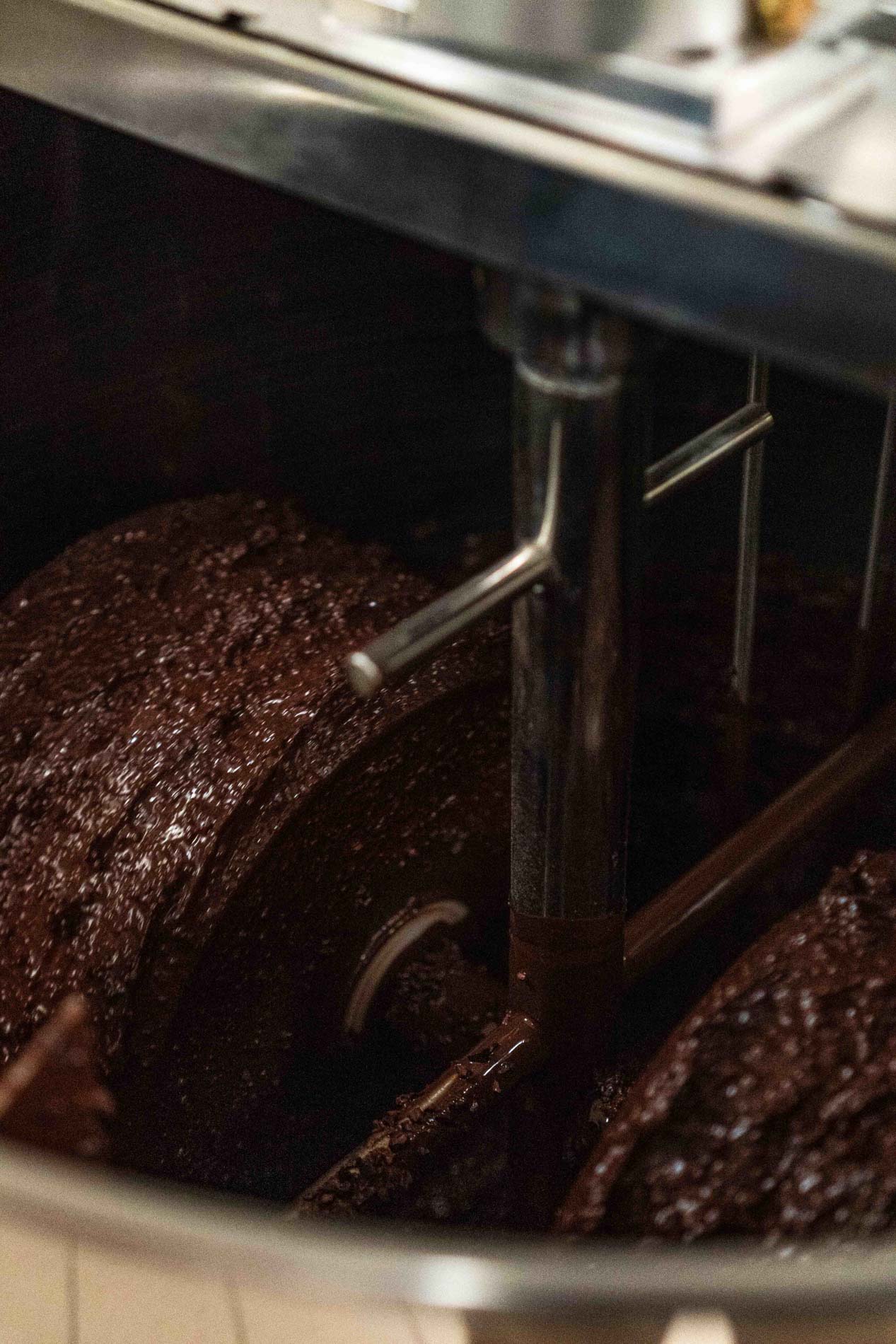
Next is conching, where the chocolate is refined for hours, sometimes days, to develop its smooth texture and balanced flavor. During this stage, the maker controls the temperature, timing, and texture to get just the right mouthfeel. Then comes tempering, where the chocolate is carefully cooled and reheated to create its shiny finish and crisp snap.


Every step requires precision and care, as small changes can greatly affect the final taste and texture. This careful process is what turns simple cacao beans into fine chocolate.

For a detailed, illustrated look at how fine chocolate is made, check out the story of Mathieu Robin¹, who welcomed us into his workshop to share his craft with us.

INGREDIENTS

Simplicity Meets Quality

Cacao beans, sugar & optional cacao butter

Fine chocolate is defined not only by its process but by its ingredients. Unlike mass-produced chocolates that rely on artificial additives and fillers, fine chocolate celebrates purity and minimalism.


The primary ingredients—cacao, sugar and optional cacao butter—are chosen with extreme care. The cacao beans are of the highest grade, often single-origin, meaning they come from one specific region known for exceptional cacao. Some makers even go further in selecting single-plantation or single-farm cacao. High-quality sugar balances the naturally harsh notes of the cacao without overpowering its nuanced flavors.

When used, only the finest cacao butter is incorporated, never replaced with inferior fats, lecithins or oils.


Some fine chocolates might come with inclusions, but these are always used sparingly, enhancing rather than masking the bean’s inherent taste. The simplicity of the ingredient list reflects the artisan’s commitment to letting the cacao shine.

TEXTURE & TASTE

A SENSORY EXPERIENCE

Fine chocolate is as much about texture as it is about taste. The original method requires that, when crafted properly, it melts delicately on the palate, releasing a cascade of complex flavors. Texture should be velvety smooth, a result of meticulous conching and tempering, without any grittiness or waxy residue.


Yet, in recent years, skilled artisans developed a taste for experiments and found innovative ways to use textures as signatures. Gritty or “dense” chocolate isn’t a relevant criterion anymore to testify the bad quality of a bar in itself as it is sometimes achieved purposefully. A broader approach of quality is then required, taking into account the experience the maker is trying to create.


As for the taste, it’s a journey that unfolds gradually. With each piece, if you’re patient enough to let it melt, you might discover layers of flavor—fruity brightness, floral hints, earthy richness, or even spicy undertones—each one a reflection of the cacao’s origin, the farmers’ care, and the skill of the maker.


Unlike commercial chocolate, which often has a one-dimensional sweetness, fine chocolate offers an array of aromas, ranging from bold and robust to subtle and delicate.


Fine chocolate is a labor of love, a product of dedication and expertise at every stage—from the careful cultivation of the cacao tree to the masterful transformation in the maker’s hands. It’s a celebration of quality, craftsmanship, and flavor, making it not just a treat, but an experience to be savored.

SOURCES

REFERENCES

  1. Mathieu Robin, Craft Chocolate Maker at Hervé Robin

YOU MAY

ALSO LIKE